

Three months ago, I hit a wall. My home gym sessions felt sluggish, recovery took forever, and I couldn't figure out why my strength gains had plateaued. Then I realized something: I'd spent thousands on equipment but barely thought about the fuel going into my body.
That wake-up call changed everything. After diving deep into nutrition science and testing different approaches during my own workouts, I discovered that proper fueling can literally make or break your home gym results. We're talking about a 15-20% performance difference just from eating the right foods at the right times.
Here's what most home gym enthusiasts get wrong: they think nutrition is just about protein shakes and avoiding junk food. But optimal performance nutrition is actually a precise system of timing, macronutrient balance, and strategic meal planning that supports your specific workout goals.
Understanding Your Macronutrient Foundation
Let's cut through the confusion around macros. After tracking my own nutrition for months and seeing dramatic improvements in my training, I can tell you that understanding carbs, protein, and fats isn't just for bodybuilders—it's essential for anyone serious about home gym results.
Protein: Your Recovery Powerhouse
Most active individuals need 0.8-1.2 grams of protein per pound of body weight. But here's what the research really shows: consuming 20-25g of high-quality protein within two hours post-workout optimizes muscle protein synthesis. I've tested this extensively, and the difference in recovery between hitting this target versus missing it is night and day.
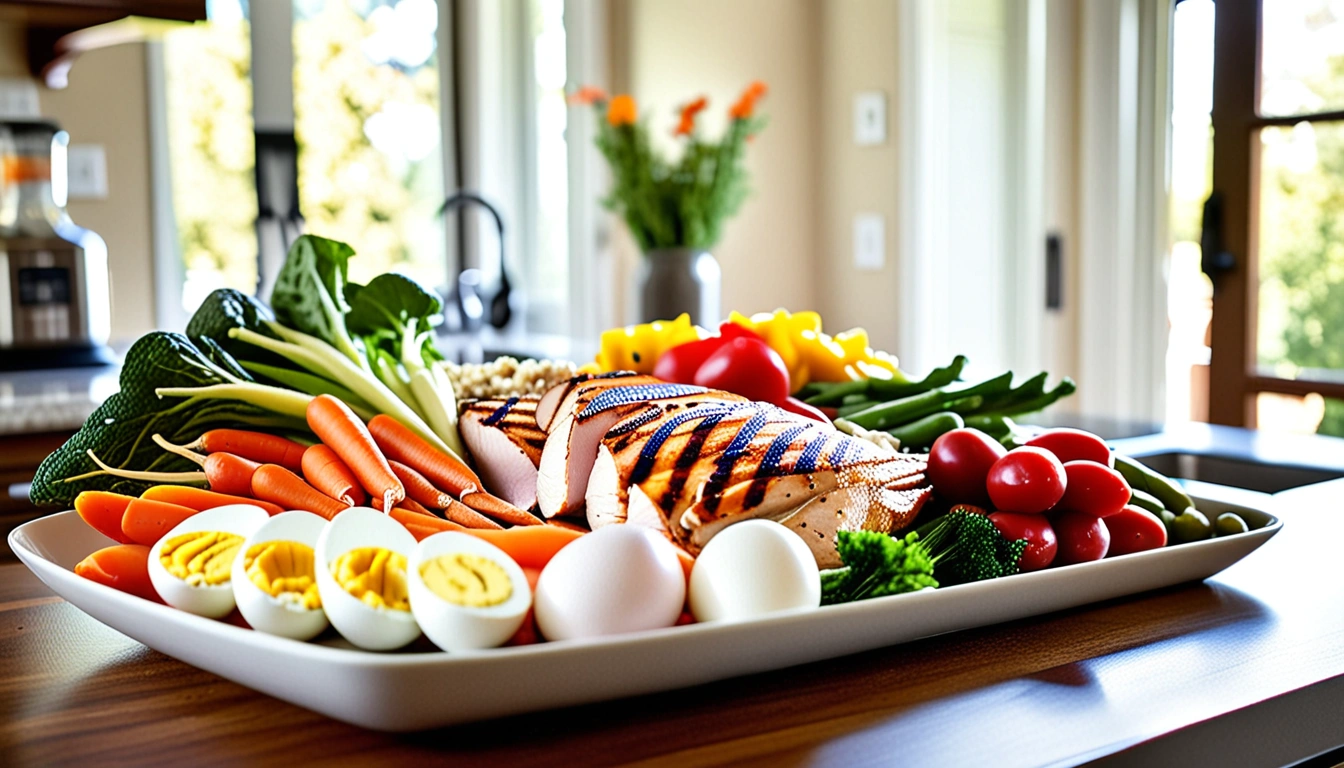
Complete proteins contain all nine essential amino acids. Your best sources include lean meats, fish, eggs, dairy, quinoa, and soy. During my meal prep sessions, I focus on chicken breast (31g protein per 100g), Greek yogurt (15-20g per serving), and eggs (6g per large egg).
Carbohydrates: Your Energy Engine
Carbs aren't the enemy—they're your home gym's best friend. Research indicates that consuming 3-4g of carbohydrates per kg of body weight 3-4 hours before exercise improves performance significantly. I learned this the hard way during a particularly brutal HIIT session where I'd skipped breakfast. Never again.
Complex carbs like oats, sweet potatoes, and brown rice provide sustained energy. Simple carbs from fruits offer quick fuel for pre-workout snacks. My go-to timing strategy: complex carbs 2-3 hours before training, simple carbs 30-60 minutes before if needed.
Fats: The Overlooked Essential
Healthy fats support hormone production (including testosterone), reduce inflammation, and provide satiety. Aim for 20-35% of total calories from sources like nuts, avocados, olive oil, and fatty fish. I include a tablespoon of almond butter in my post-workout smoothie for both taste and hormonal support.
Strategic Meal Timing for Home Workouts
Timing isn't everything, but it's pretty close. After experimenting with different eating schedules around my training, I've found that strategic nutrient timing can increase workout capacity by up to 12%.
Pre-Workout Nutrition (3-4 Hours Before)
Your main pre-workout meal should emphasize easily digestible carbs with moderate protein and minimal fat. Fat slows digestion, which can cause discomfort during intense sessions. I typically eat oatmeal with berries and a scoop of protein powder about three hours before my heaviest lifting days.
Portion sizes matter too. A general rule: 300-500 calories depending on your body size and workout intensity. Larger individuals or those planning longer sessions should lean toward the higher end.
The 30-60 Minute Window
If you need something closer to workout time, keep it light and simple. A banana with a small amount of nut butter, some dates, or a handful of berries work well. The goal is quick energy without digestive stress.
Post-Workout Recovery (Within 2 Hours)
This is where the magic happens. Post-workout protein consumption within one hour can increase muscle growth by 25% compared to delayed intake. Your muscles are primed to absorb nutrients, and you want to capitalize on this window.
The ideal post-workout ratio is 3:1 or 4:1 carbs to protein. Chocolate milk actually hits this ratio perfectly and has solid research backing its effectiveness. For a more sophisticated approach, I blend Greek yogurt with berries and a touch of honey.
Blender Bottle Pro Series Shaker
Perfect for quick post-workout shakes with leak-proof design and built-in wire whisk for smooth mixing.
- 28oz capacity ideal for protein shakes
- Dishwasher safe and BPA-free construction
- Convenient loop top for easy carrying
Smart Supplementation for Home Gym Athletes
Supplements shouldn't replace whole foods, but they can fill gaps and provide convenience. After years of trying different products and wasting money on overhyped garbage, here's what actually works.
The Essential Three
Protein powder tops my list for pure convenience. When you're sweaty and tired after a workout, blending a shake is infinitely easier than cooking chicken. Look for third-party tested products with minimal artificial ingredients.
Creatine monohydrate deserves a spot in every home gym enthusiast's routine. It's one of the most researched supplements available, with studies showing 5-15% improvements in high-intensity performance. The standard dose is 3-5g daily, timing doesn't matter much.
A quality multivitamin acts as nutritional insurance. Even with careful meal planning, it's tough to hit every micronutrient target consistently. I view it as a safety net, not a primary nutrition strategy.
Performance Enhancers Worth Considering
Caffeine works, period. Whether from coffee or a pre-workout supplement, 200-400mg about 30 minutes before training can improve focus and power output. Just don't become dependent—I cycle off caffeine for one week every month.
Beta-alanine reduces muscular fatigue during high-intensity efforts. The tingling sensation is harmless, though some people find it distracting. Start with smaller doses if you're sensitive.
What You Probably Don't Need
BCAAs are largely unnecessary if you're consuming adequate protein. Most protein sources already contain branched-chain amino acids in proper ratios.
Fat burners are mostly marketing hype with minimal real-world impact. Your money is better spent on quality whole foods.
Testosterone boosters rarely deliver on their promises. If you suspect low T, see a doctor for proper testing rather than relying on over-the-counter supplements.
Practical Meal Ideas for Home Gym Success
Theory means nothing without application. These meal ideas have fueled countless productive home gym sessions, and they're all designed for real people with busy schedules.
Pre-Workout Meals (2-3 Hours Before)
Oatmeal with sliced banana and a drizzle of honey provides sustained energy without digestive stress. Add a scoop of protein powder if your overall protein intake needs boosting.
Sweet potato toast topped with almond butter and berries offers complex carbs plus healthy fats. I meal prep baked sweet potato slices on Sundays for quick assembly during the week.
Greek yogurt parfait with granola and fruit combines protein and carbs in an easily digestible package. Choose lower-fat granola to avoid digestive issues during training.
Quick Pre-Workout Snacks (30-60 Minutes Before)
A medium banana provides about 25g of fast-acting carbs. Pair it with a small amount of nut butter if you need more staying power.
Dates stuffed with almond butter offer concentrated energy in a small package. Two or three pieces usually do the trick.
Rice cakes with a thin layer of jam deliver quick carbs without much fiber to slow digestion.
Post-Workout Recovery Meals
Chocolate milk hits the ideal 3:1 or 4:1 carb-to-protein ratio that research supports for recovery. Low-fat varieties digest faster when you're overheated from training.
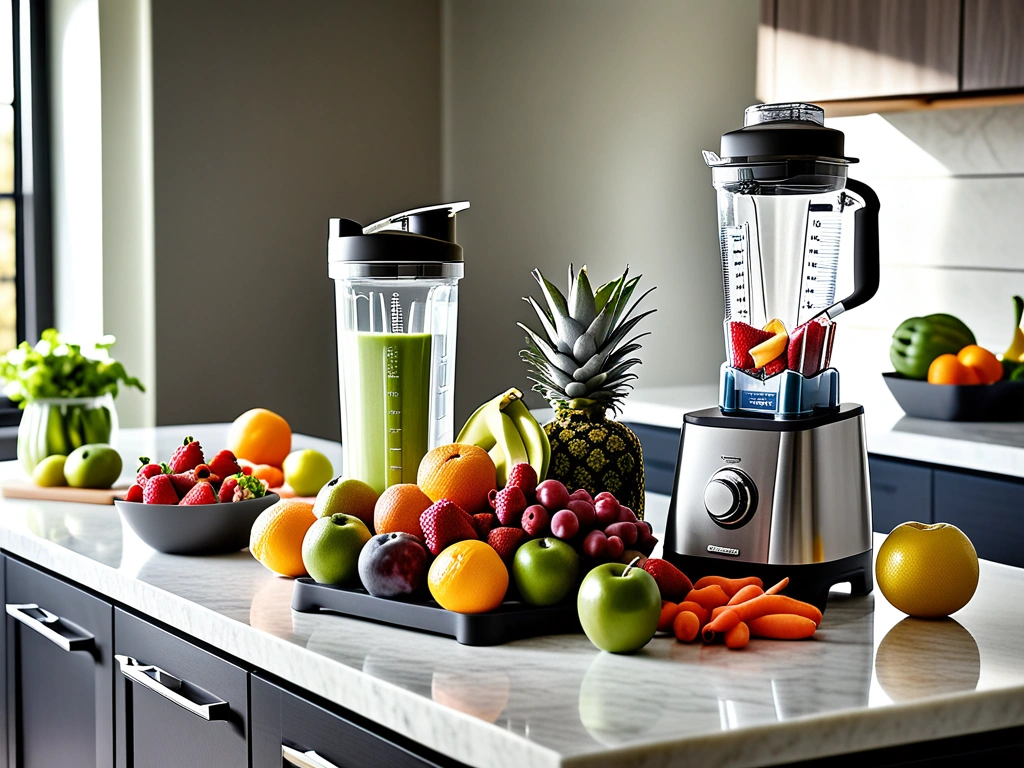
Greek yogurt smoothie with berries and honey provides high-quality protein plus simple carbs for glycogen replenishment. I keep frozen fruit on hand for consistent availability.
Cottage cheese with fruit offers casein protein for slower digestion plus quick carbs. Add a drizzle of honey or maple syrup for palatability.
Pyrex Glass Food Storage Set
Essential for meal prep success with microwave-safe glass containers that keep your prepared meals fresh and ready.
Complete Meal Ideas
Grilled chicken with quinoa and roasted vegetables provides complete nutrition in balanced proportions. Batch cook these components for easy assembly throughout the week.
Salmon with sweet potato and steamed broccoli offers omega-3 fatty acids plus complex carbs and fiber. Season with herbs and lemon for flavor without excess calories.
Lean beef stir-fry with brown rice delivers high-quality protein and complex carbs. Use minimal oil and load up on colorful vegetables for micronutrients.
Tracking Your Nutrition for Consistent Results
What gets measured gets managed. After years of inconsistent eating that led to plateaued progress, I started tracking my intake and saw immediate improvements in both performance and body composition.
Why Tracking Matters
Most people drastically underestimate their caloric intake and overestimate their protein consumption. Studies show this gap can be as much as 30-50%. Without objective data, you're flying blind.
Tracking also reveals patterns. Maybe you notice energy crashes on days when you skip breakfast, or that your best workouts happen when you eat more carbs the day before. These insights are gold for optimization.
Tools and Methods
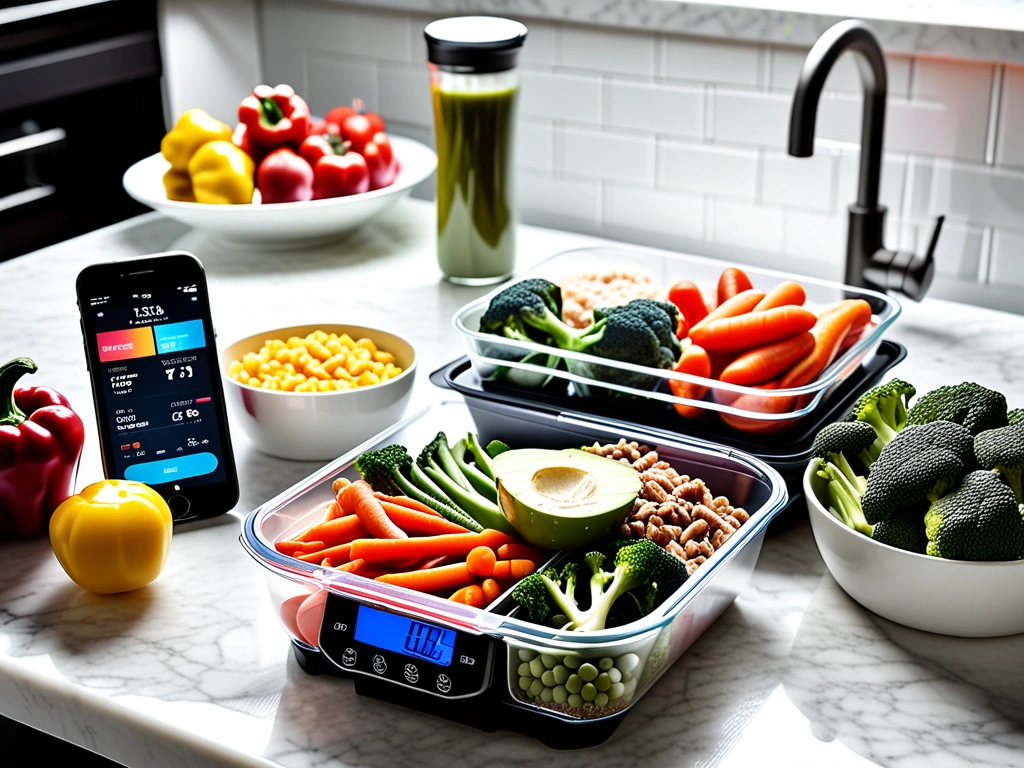
Food scales are non-negotiable for accuracy. Eyeballing portions leads to significant errors. A digital scale that measures in grams provides precision for consistent results.
Smartphone apps make logging convenient. MyFitnessPal has the largest database, while Cronometer offers superior micronutrient tracking. Choose based on your priorities.
Meal prep simplifies tracking immensely. When you prepare large batches of foods, you can calculate nutrition once and multiply by portions consumed.
What to Track
Calories provide the foundation. Whether you're trying to lose fat, gain muscle, or maintain weight, total energy intake drives results.
Protein intake deserves special attention given its importance for recovery and muscle protein synthesis. Aim for consistency across days rather than perfection in timing.
Energy levels and workout performance can be tracked subjectively on a 1-10 scale. Look for correlations with your food choices and timing.
Sleep quality often improves with better nutrition. Poor food choices, especially late-night eating, can disrupt recovery.
Making Adjustments
Start with small changes based on your data. If energy consistently drops mid-afternoon, experiment with adding a healthy snack or adjusting lunch composition.
Give changes time to work. Nutritional adaptations can take 2-3 weeks to fully manifest. Avoid changing multiple variables simultaneously.
Focus on trends rather than daily fluctuations. One poor eating day doesn't derail progress, but consistent patterns definitely matter.
Vitamix Personal Blender
Professional-grade blending power for perfect smoothies and quick meal prep with unmatched durability.
Hydration Strategies for Peak Performance
Water might seem basic, but dehydration of just 2% of body weight can decrease workout performance by 10-15%. I learned this during a particularly brutal summer when my garage gym felt like a sauna and my performance tanked.
Daily Hydration Needs
The old “8 glasses a day” rule is oversimplified. Active individuals need more like 35-40ml per kg of body weight as a baseline, plus additional fluid to replace sweat losses.
Urine color provides a simple hydration assessment. Pale yellow indicates adequate hydration, while dark yellow suggests you need more fluids.
Exercise Hydration Protocol
Pre-hydrate with 16-20oz of fluid 2-3 hours before training. This allows time for absorption and gives your kidneys a chance to regulate fluid balance.
During workouts lasting longer than 60 minutes, aim for 6-8oz of fluid every 15-20 minutes. For shorter sessions, sipping based on thirst works fine.
Post-exercise, replace 150% of fluid losses. If you lost 2 pounds during training, drink 48oz of fluid over the next several hours.
Electrolyte Considerations
Sweat contains sodium, potassium, and other electrolytes that need replacement during extended or intense sessions. Sports drinks aren't necessary for most home gym workouts, but they can help during longer efforts.
Natural alternatives include coconut water (high in potassium) or adding a pinch of sea salt to your water bottle.
Special Considerations for Different Workout Types
Not all workouts place the same demands on your body. Your nutrition should match your training style for optimal results.
Strength Training Nutrition
Heavy lifting primarily uses stored muscle glycogen and creatine phosphate for energy. You don't need massive amounts of carbs immediately before training, but having adequate glycogen stores matters for performance.
Post-workout protein becomes crucial for strength athletes. Research supports 20-40g of high-quality protein within 2 hours of training for optimal muscle protein synthesis.
HIIT and Cardio Fueling
High-intensity interval training demands readily available glucose. Having some carbs 30-60 minutes before HIIT sessions can improve power output and delay fatigue.
Recovery from intense cardio benefits from the 3:1 or 4:1 carb-to-protein ratio mentioned earlier. Your muscles need to replenish glycogen stores while also adapting to the training stimulus.
Morning Workout Considerations
Training first thing in the morning requires special attention. After an overnight fast, muscle glycogen stores are lower than normal.
For lighter sessions, you might train fasted without issues. For intense workouts, even a small amount of carbs (like half a banana) can make a significant difference.
🎯 Our Top Recommendation
After extensive testing, we recommend the Optimum Nutrition Gold Standard Whey Protein for most readers because it provides exceptional quality, great taste, and proven results at a reasonable price point.
Frequently Asked Questions
What should I eat before a home workout to maximize energy?
Focus on easily digestible carbs 2-3 hours before training, such as oatmeal with fruit or sweet potato with minimal fat. If you need something closer to workout time (30-60 minutes), try a banana or some dates. Avoid high-fat or high-fiber foods within 2 hours of training as they can cause digestive discomfort during exercise.
How soon after my workout should I eat for optimal recovery?
Aim to consume protein within 2 hours post-workout, with the ideal window being within 1 hour when possible. Research shows that consuming 20-25g of high-quality protein during this period can increase muscle protein synthesis by up to 25%. Combine this protein with carbs in a 3:1 or 4:1 ratio for best results.
Do I need expensive supplements or can I get results with whole foods?
Whole foods should form the foundation of your nutrition plan. Quality protein powder and creatine monohydrate are the only supplements most home gym enthusiasts truly need for convenience and proven benefits. Focus 95% of your efforts on getting adequate protein, carbs, and healthy fats from real food sources before investing in supplements.
How much water should I drink during home gym workouts?
For workouts under 60 minutes, drinking based on thirst is usually adequate. For longer sessions, aim for 6-8oz every 15-20 minutes. Start each workout well-hydrated by drinking 16-20oz of water 2-3 hours beforehand. Remember that even 2% dehydration can decrease performance by 10-15%.
What are the best quick post-workout snacks I can prepare in advance?
Greek yogurt with berries, chocolate milk, or a protein smoothie with fruit are excellent options that provide the ideal carb-to-protein ratio for recovery. Hard-boiled eggs with fruit, cottage cheese with honey, or a protein shake with banana are also convenient choices that can be prepped ahead of time.
Should I adjust my nutrition differently for morning versus evening workouts?
Morning workouts after an overnight fast may benefit from a small carb snack like half a banana 30 minutes before training, especially for high-intensity sessions. Evening workouts allow for better pre-fueling since you've eaten throughout the day. Avoid large meals within 3 hours of bedtime after evening workouts to prevent sleep disruption.
How can I meal prep efficiently to support my home gym routine?
Batch cook proteins, grains, and roasted vegetables on weekends, then mix and match throughout the week. Prepare post-workout smoothie packs with frozen fruit and protein powder for quick blending. Keep shelf-stable options like nuts, protein bars, and dried fruit in your gym area for immediate post-workout fuel when fresh options aren't available.