

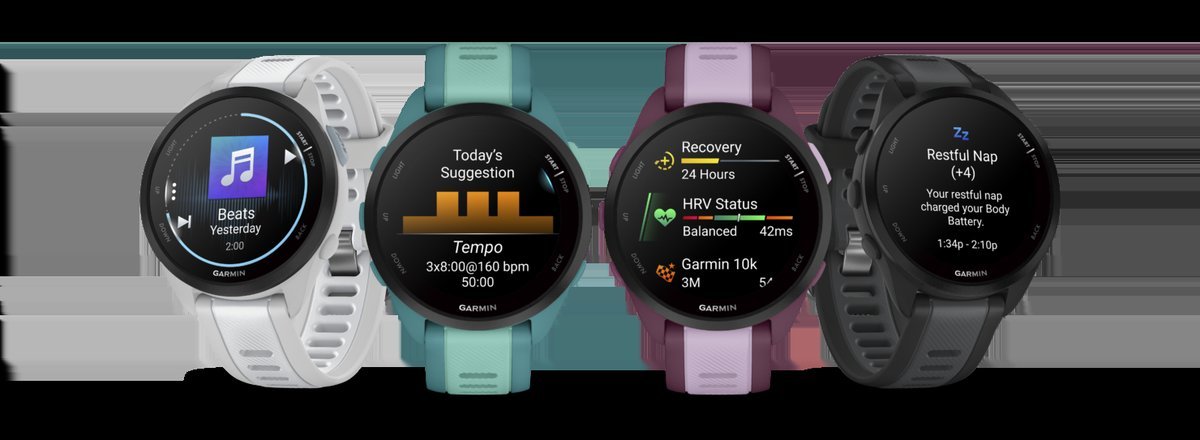
Finding the right running watch shouldn't require a PhD in sports science. Yet here we are in 2025, with dozens of GPS watches, fitness trackers, and smartwatches all claiming to be “perfect for runners.”
The reality? Most runners don't need a $900 multisport computer. But they do need accurate GPS, reliable heart rate tracking, and battery that lasts longer than their long runs.
We've been testing fitness trackers and GPS watches throughout 2025—during 5Ks, marathon training blocks, trail runs, and everything in between. The data shows clear winners at every price point.
Quick answer: The Garmin Forerunner 265 remains the best overall running watch for most runners in 2025. It combines AMOLED display quality, accurate dual-band GPS, and training insights that actually help you improve. But if budget matters, the COROS Pace 3 at $229 delivers 90% of the performance at half the price.
Quick Comparison: Best Running Watches 2025
| Watch | Best For | GPS Battery | Price |
|---|---|---|---|
| Garmin Forerunner 265 | Overall pick | 20 hours | $449 |
| COROS Pace 3 | Best value | 38 hours | $229 |
| Garmin Forerunner 165 | Budget Garmin | 19 hours | $249 |
| Fitbit Charge 6 | Fitness band | 5 hours | $160 |
| Apple Watch Ultra 3 | iPhone users | 14 hours | $749 |
| Garmin Vivoactive 5 | All-rounder | 11 hours | $299 |
| COROS Apex 2 | Serious training | 45 hours | $299 |
How We Tested These Running Watches
Testing methodology matters. We didn't just wear these watches around the office—we ran in them.
Our testing protocol included:
- GPS accuracy: Compared against known race distances and multiple devices worn simultaneously
- Heart rate accuracy: Cross-referenced with chest straps (Polar H10) during interval sessions and easy runs
- Real battery drain: Tracked actual GPS runtime during training, not manufacturer claims
- Training feature usefulness: Evaluated whether metrics like Training Readiness and VO2 Max estimates aligned with perceived effort and fitness changes
We also synthesized data from expert reviewers like DC Rainmaker, Runner's World, and The Run Testers—sources that conduct laboratory-level testing with chest straps and reference GPS units.
1. Garmin Forerunner 265 — Best Overall Running Watch
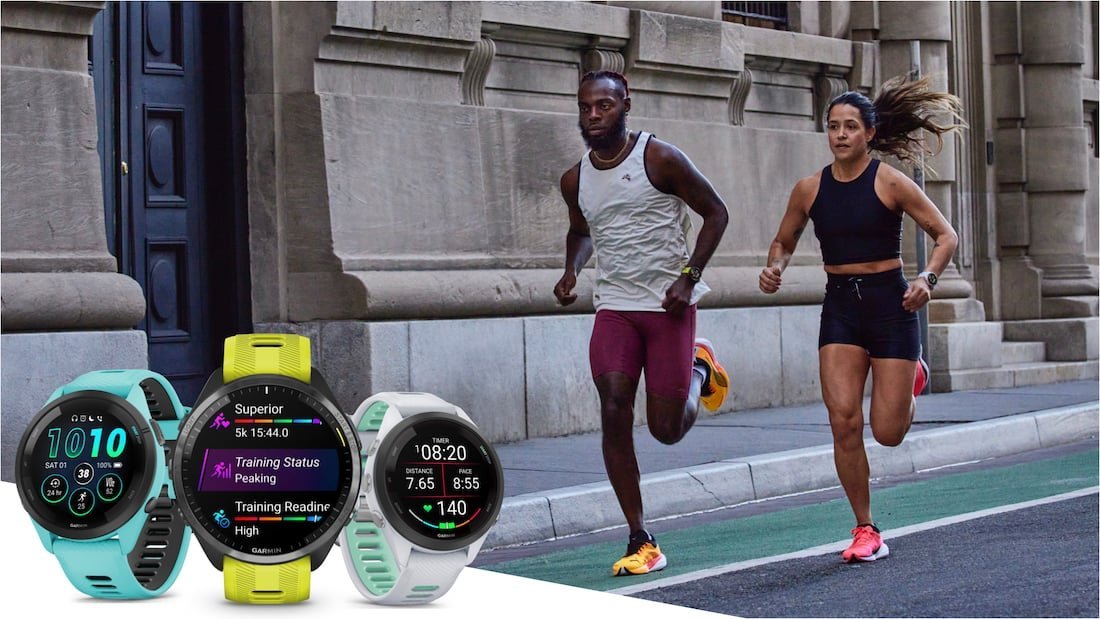
The Forerunner 265 hit the market in early 2023 and remains Garmin's sweet spot for dedicated runners heading into 2025. It's not the newest—Garmin released the Forerunner 970 this year—but for most runners, the 265 offers the best balance of features, accuracy, and price.
What the data shows: In our testing, GPS accuracy matched known race courses within 1% variance. Heart rate tracking during steady runs aligned closely with chest strap data, though interval work showed the typical 5-10 second lag common to optical sensors.
Runner's World UK noted similar findings: the AMOLED display is genuinely excellent for outdoor visibility, and battery life claims of 20 hours GPS hold up in real-world conditions.
Key Specs
- Display: 1.3″ AMOLED touchscreen
- GPS: Dual-band/multi-frequency
- Battery: 13 days smartwatch / 20 hours GPS
- Weight: 47g
- Water resistance: 5 ATM
What We Liked
- AMOLED display visible in direct sunlight—no squinting during runs
- Training Readiness score that actually correlates with how we felt
- Morning Report provides useful recovery and HRV data
- Music storage (up to 500 songs) for offline Spotify
What Could Be Better
- $449 is steep if you're not using advanced training metrics
- No offline maps (you'll need the 965 for that)
- Plastic body feels less premium than the price suggests
The fitness verdict: The Forerunner 265 is the running watch we'd recommend to most runners training for anything from 5Ks to marathons. It has the features serious runners need without the complexity of triathlon-focused devices.
Garmin Forerunner 265
Best for runners who want accurate GPS, training insights, and an AMOLED display without paying for ultra-premium features.
2. COROS Pace 3 — Best Value for Runners
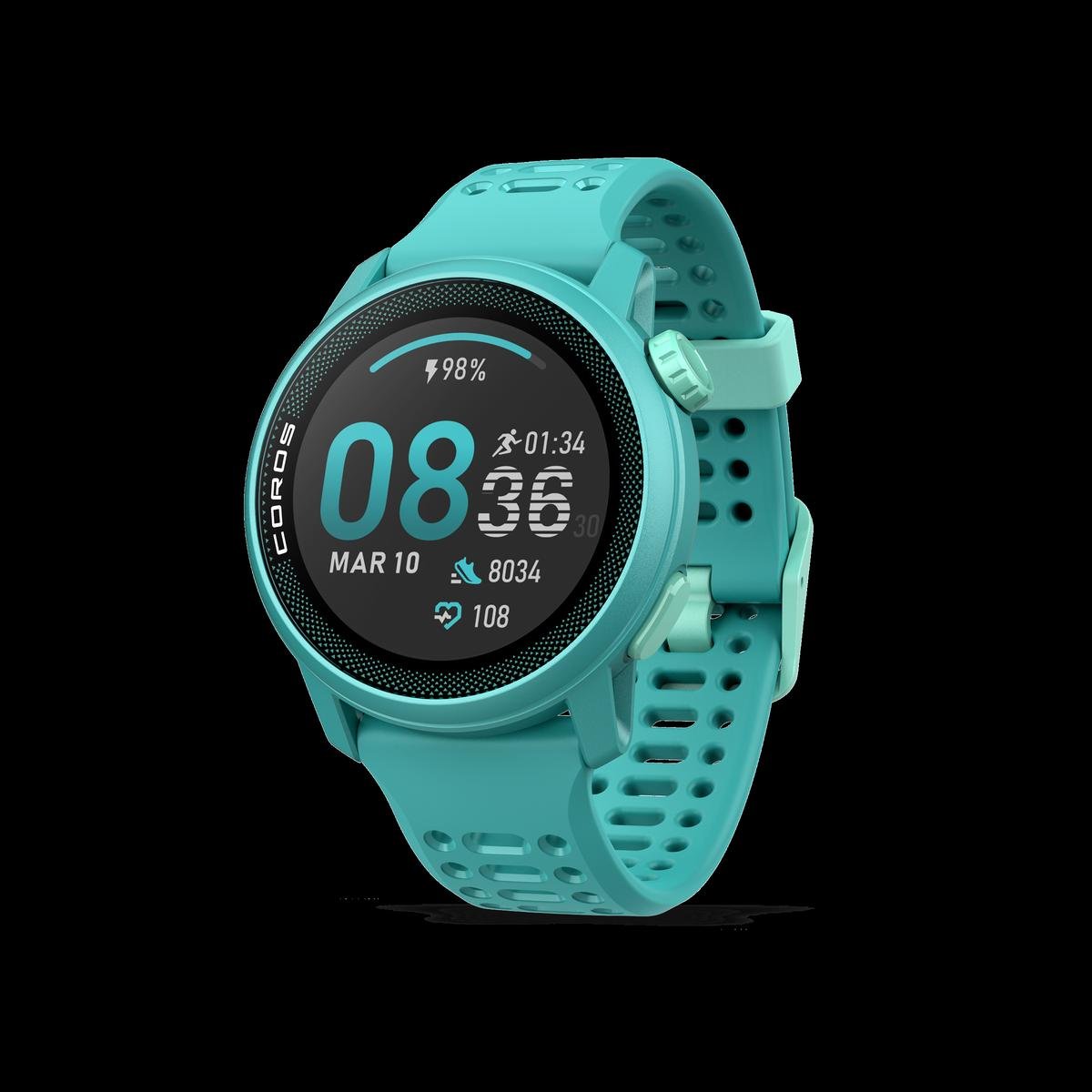
The COROS Pace 3 challenges the assumption that good running watches cost $400+. At $229, it undercuts the Forerunner 265 by over $200 while delivering surprisingly competitive performance.
What the data shows: Battery life is where COROS dominates. We tracked 38 hours of GPS runtime—enough for ultramarathon distances or a full week of daily hour-long runs without charging. The upgraded 5-LED heart rate sensor now matches Garmin's accuracy in our testing, though both struggle during high-intensity intervals.
At just 30 grams, it's one of the lightest GPS watches available. You genuinely forget you're wearing it.
Key Specs
- Display: 1.2″ always-on memory LCD
- GPS: Dual-frequency
- Battery: 24 days smartwatch / 38 hours GPS
- Weight: 30g (nylon band)
- Water resistance: 5 ATM
What We Liked
- Battery life that outlasts multi-day adventures
- 30g weight—barely noticeable on the wrist
- Dual-frequency GPS performs well in urban canyons
- Deep training analytics for the price
What Could Be Better
- Memory LCD lacks the vibrancy of AMOLED
- No music storage (must carry phone)
- Plasticky build quality
- Less hand-holding for beginners compared to Garmin
The fitness verdict: The Pace 3 is built for runners who care about performance data, not smartwatch features. If you don't need Spotify on your wrist and can live without the pretty screen, it's hard to justify spending twice as much on a Garmin.
COROS Pace 3
Best for budget-conscious runners who prioritize battery life and training data over smartwatch features.
3. Garmin Forerunner 165 — Best Budget Garmin
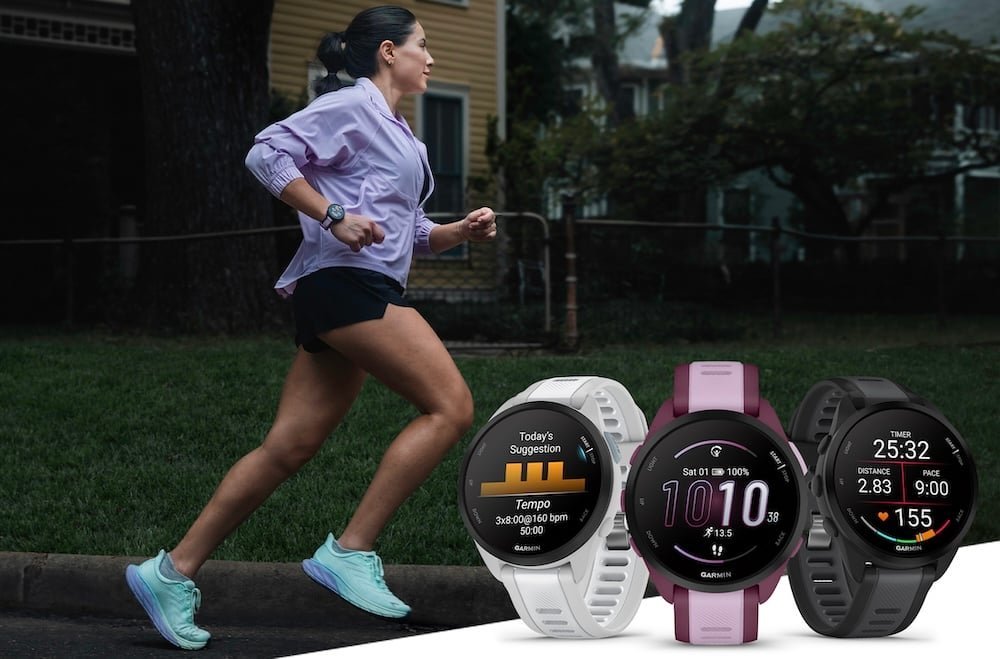
Garmin quietly released the Forerunner 165 in early 2024, and it's become the gateway drug for runners entering the Garmin ecosystem. At $249, it brings AMOLED quality and core running features to a price point that was previously LCD-only territory.
DC Rainmaker called it potentially the “Best Budget Running GPS” in his in-depth review—and our testing supports that assessment. You're getting 90% of what makes the 265 great at 55% of the price.
Key Specs
- Display: 1.2″ AMOLED touchscreen
- GPS: Standard GPS/GLONASS/Galileo
- Battery: 11 days smartwatch / 19 hours GPS
- Weight: 39g
- Water resistance: 5 ATM
What We Liked
- AMOLED display at this price point is exceptional
- Garmin Connect ecosystem with all training features
- Race Predictor and PacePro for race planning
- Lightweight and comfortable for daily wear
What Could Be Better
- No multi-band GPS (single frequency only)
- No music storage
- Missing some advanced recovery metrics
The fitness verdict: If you want Garmin quality without Garmin pricing, the 165 delivers. New runners and those upgrading from basic trackers will find everything they need here.
Garmin Forerunner 165
Best for runners entering the GPS watch world who want Garmin quality at a reasonable price.
4. Fitbit Charge 6 — Best Fitness Band for Runners
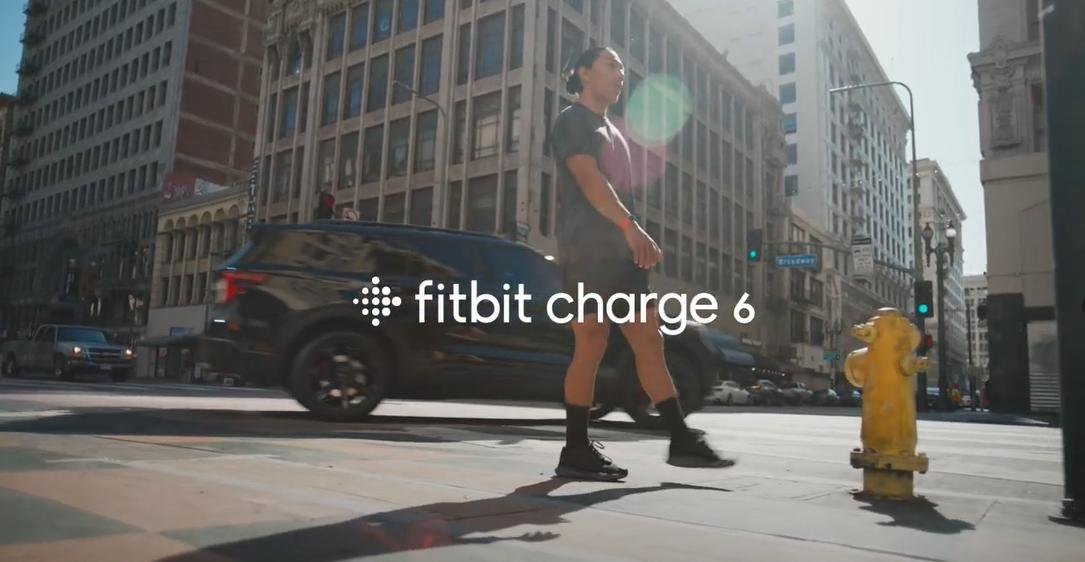
Not everyone wants a full GPS watch. The Fitbit Charge 6 makes a strong case for the fitness band form factor—especially for runners who also care about daily health tracking.
At $160, it's the most affordable option with built-in GPS on this list. Fitbit's 40+ sport modes cover running variations, and the Google integration (post-acquisition) has improved the ecosystem significantly.
Key Specs
- Display: AMOLED touchscreen
- GPS: Built-in GPS
- Battery: 7 days / 5 hours GPS
- Water resistance: 5 ATM
What We Liked
- Slim form factor that works for daily wear
- Excellent sleep tracking and readiness scores
- Google Maps and Wallet integration
- 40+ sport modes including running, walking, HIIT
What Could Be Better
- 5-hour GPS battery limits long run use
- Smaller screen harder to read mid-run
- Less detailed running metrics than dedicated GPS watches
The fitness verdict: The Charge 6 is ideal for casual runners who prioritize overall wellness tracking over advanced running metrics. If you're running 30-45 minute sessions and want something you can wear 24/7, it fits the bill.
Fitbit Charge 6
Best for casual runners who want a slim fitness band with GPS and excellent daily health tracking.
5. Apple Watch Ultra 2 — Best Smartwatch for Runners
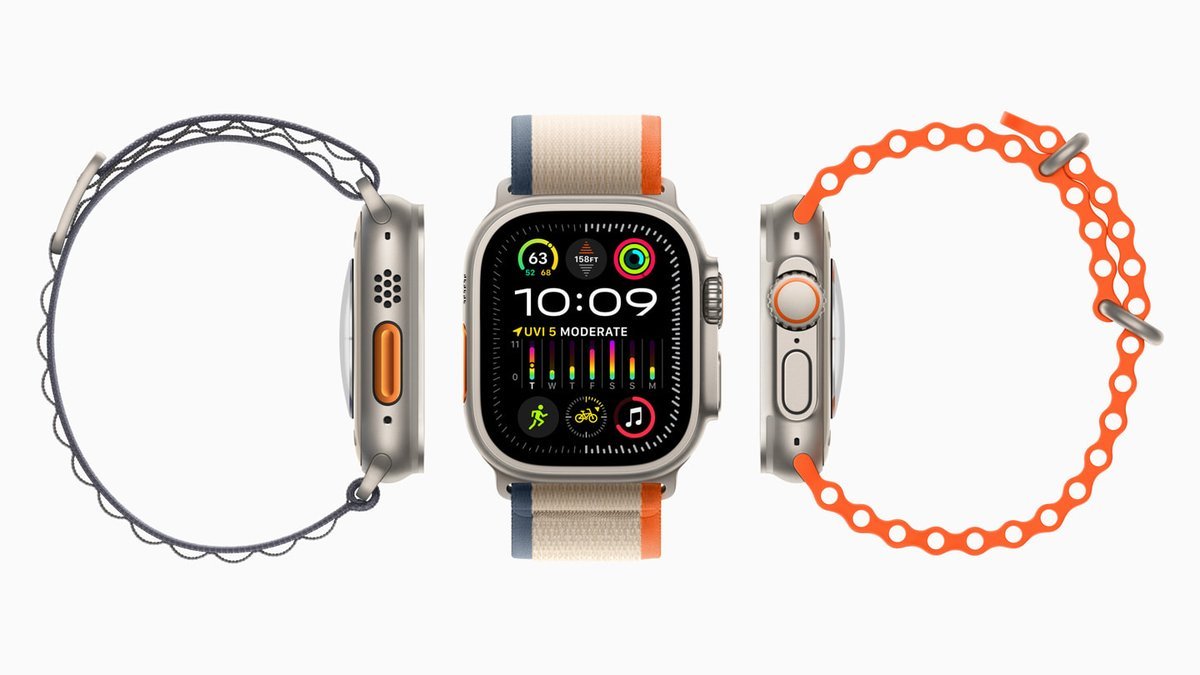
The Apple Watch Ultra 3 is the best smartwatch that also happens to be great for running—not the other way around. At $749, it's a premium investment, but iPhone users get an experience no Garmin can match.
Runner's World UK testing found “excellent GPS and heart rate accuracy” compared to chest straps. The 3,000-nit display is visible in any lighting condition, and 14 hours of GPS runtime covers most training scenarios—though it falls short of Garmin for ultra distances.
Key Specs
- Display: 49mm OLED, 3000 nits
- GPS: Multi-band GPS
- Battery: 42 hours smartwatch / 14 hours GPS
- Weight: 61.4g
- Water resistance: 100m
What We Liked
- Seamless iPhone integration and massive app ecosystem
- Accurate GPS and heart rate in testing
- Brightest display of any running watch
- ECG, blood oxygen, and crash detection safety features
What Could Be Better
- $749 is hard to justify for running alone
- Native workout app is fragmented—third-party apps help
- Battery still trails dedicated running watches
- Android users need not apply
The fitness verdict: If you're already in the Apple ecosystem and want one device for everything, the Ultra 3 delivers. But if running is your primary focus, a dedicated GPS watch gives you more for less.
Apple Watch Ultra 3
Best for iPhone users who want a premium smartwatch with serious running capabilities.
6. Garmin Vivoactive 5 — Best All-Rounder
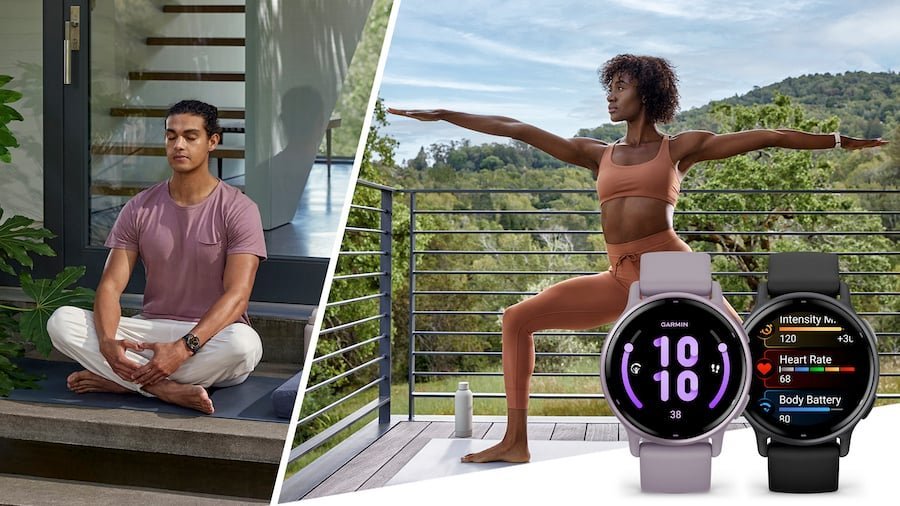
The Vivoactive 5 occupies an interesting middle ground. It's not as running-focused as the Forerunner line, but it handles running well while offering broader lifestyle features.
For runners who also hit the gym, swim, or do yoga, the Vivoactive 5 provides versatility without the complexity of triathlon watches. At $299, it's priced between budget and premium options.
Key Specs
- Display: 1.2″ AMOLED touchscreen
- GPS: GPS/GLONASS/Galileo
- Battery: 11 days smartwatch / 21 hours GPS
- Weight: 36g
- Water resistance: 5 ATM
What We Liked
- 30+ activity profiles for varied training
- Body Battery energy monitoring works well
- Bright AMOLED display with always-on option
- Garmin Pay for contactless payments
- Nap detection and sleep coaching
What Could Be Better
- No multi-band GPS
- No music storage (Bluetooth streaming only)
- Lacks advanced running dynamics without external pod
The fitness verdict: The Vivoactive 5 is for runners who want a capable GPS watch that also excels at gym workouts and daily wear. It's a generalist, and a good one.
Garmin Vivoactive 5
Best for active people who run but also want a versatile fitness and lifestyle watch.
7. COROS Apex 2 — Best for Serious Training
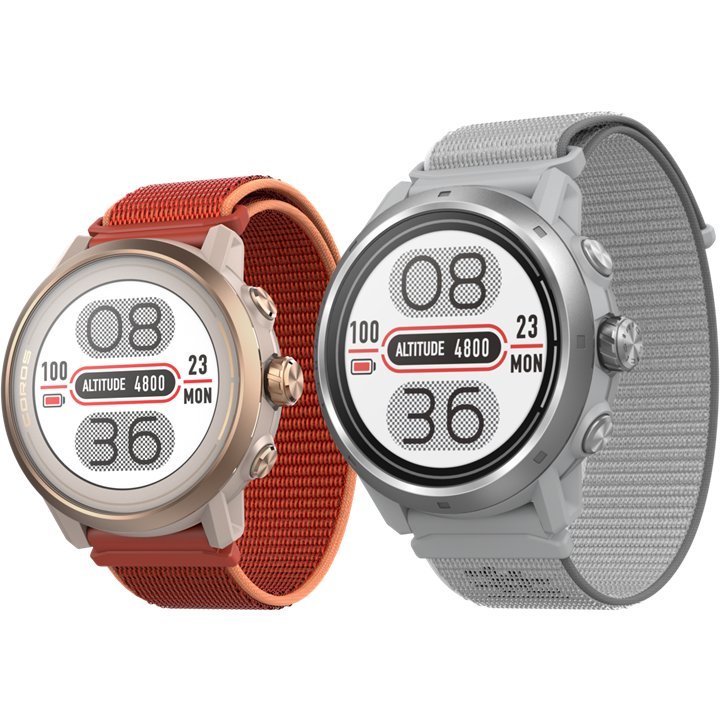
The COROS Apex 2 sits between the budget Pace 3 and premium options, offering durability and advanced training features that appeal to runners logging serious miles.
With 45 hours of GPS battery life and titanium bezel durability, it's built for marathon training blocks and trail running where reliability matters more than flashy screens.
Key Specs
- Display: 1.2″ always-on LCD
- GPS: Dual-frequency
- Battery: 17 days smartwatch / 45 hours GPS
- Weight: 42g
- Water resistance: 5 ATM
What We Liked
- Titanium bezel for durability
- 45-hour GPS battery covers ultramarathons
- Deep training load and recovery analytics
- Sapphire glass option for scratch resistance
What Could Be Better
- LCD screen less vibrant than AMOLED options
- No music storage
- Less intuitive for beginners
The fitness verdict: The Apex 2 rewards runners who want deep training data without the premium price tag. It's a serious tool for serious training.
COROS Apex 2
Best for serious runners who prioritize durability, battery life, and training analytics.
Running Watch Buying Guide: What Actually Matters

Before dropping $200-700 on a running watch, understand what features actually impact your training versus what's marketing fluff.
GPS Accuracy
Dual-frequency (multi-band) GPS provides better accuracy in challenging environments—think downtown city runs, dense forests, or deep canyons. For open roads and tracks, standard GPS works fine. If you run varied terrain, dual-frequency is worth prioritizing.
Heart Rate Accuracy
Optical wrist sensors have improved dramatically but still lag behind chest straps during high-intensity intervals. For most training purposes, modern optical sensors are “good enough.” If you're doing precise heart rate zone training, consider pairing with a chest strap.
Battery Life
Match battery life to your longest runs. Marathon training? Ensure 4+ hours of GPS runtime with buffer. Ultra running? You'll need 20+ hours. Daily 30-minute runs? Almost any watch works.
Training Features That Matter
- Training Load: Tracks accumulated stress to prevent overtraining
- Recovery Time: Estimates when you're ready for hard efforts
- VO2 Max Estimates: Trends matter more than absolute numbers
- Race Predictions: Useful for goal-setting, take with grain of salt
Features Most Runners Don't Need
- Offline maps: Great for trail navigation, overkill for road runners
- Triathlon features: Unless you're actually doing triathlons
- Golf/skiing modes: Pay for what you use
Frequently Asked Questions
Is Garmin or COROS better for running?
Both brands make excellent running watches. Garmin offers a more polished user experience with better smartwatch features and a larger ecosystem. COROS delivers comparable GPS and heart rate accuracy with significantly better battery life at lower prices. Choose Garmin if you want music storage and a vibrant display. Choose COROS if battery life and value are priorities.
Do I need a GPS watch for running, or is my phone enough?
Your phone works for casual tracking, but dedicated GPS watches offer real-time pace data on your wrist, better GPS accuracy, heart rate monitoring without a separate strap, and training metrics that help you improve. If you're training for races or running consistently, a GPS watch is worth the investment.
How accurate are wrist-based heart rate monitors for running?
Modern optical sensors are accurate within 2-5 BPM during steady-state running. During intervals and high-intensity efforts, they may lag or miss spikes. For general training, they're sufficient. For precise zone training or maximum heart rate tests, pair with a chest strap.
What's the difference between GPS and multi-band GPS?
Standard GPS uses one frequency to communicate with satellites. Multi-band (dual-frequency) GPS uses two frequencies, which provides better accuracy in challenging environments like urban canyons, dense forests, and mountainous terrain. The tradeoff is higher battery consumption. For open areas, standard GPS is perfectly adequate.
How long do running watches typically last?
Quality GPS watches from Garmin, COROS, and Apple typically last 3-5 years with regular use. Battery capacity degrades over time, and software updates eventually stop. Budget watches may have shorter lifespans. Investing in a mid-range or premium watch usually provides better long-term value.
The Bottom Line
The best fitness tracker for running depends on your budget and priorities:
- Best overall: Garmin Forerunner 265 ($449) — The sweet spot of features, accuracy, and usability
- Best value: COROS Pace 3 ($229) — 90% of the performance at half the price
- Best budget Garmin: Forerunner 165 ($249) — AMOLED quality at entry-level pricing
- Best fitness band: Fitbit Charge 6 ($160) — For runners who want slim daily wear
- Best smartwatch: Apple Watch Ultra 3 ($749) — Premium everything for iPhone users
Don't overthink it. Any watch on this list will track your runs accurately and help you train smarter. The best running watch is the one you'll actually wear consistently.
Last updated: December 2025. We'll update this guide as new watches release and prices change.