

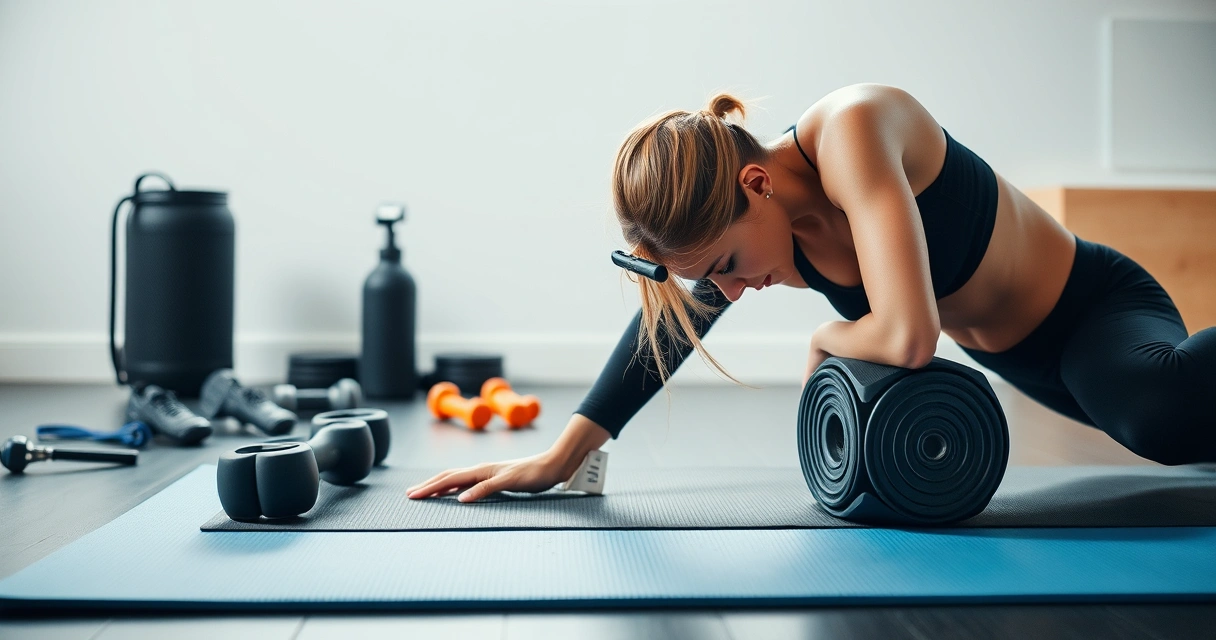
After spending months testing various yoga mats for my daily practice and reviewing feedback from fellow yogis, I've discovered that finding the perfect mat can make or break your yoga journey. Whether you're flowing through vinyasas, holding challenging poses, or simply stretching after a long day, the right yoga mat provides the foundation for a safe and comfortable practice. I've put ten popular yoga mats through rigorous testing, evaluating everything from grip and cushioning to durability and portability. Here's my comprehensive breakdown of what works, what doesn't, and how to choose the mat that'll support your practice for years to come.
Top Yoga Mat Reviews
Retrospec Solana Yoga Mat 1″ Thick – Premium Pick
The Retrospec Solana has consistently impressed me throughout my testing period. With its full inch of thickness, this mat provides exceptional cushioning that my knees and joints absolutely love during longer sessions. I've used this mat for everything from gentle restorative flows to intense power yoga, and it's never let me down.
Key Features:
- Full 1-inch thickness for superior joint protection
- High-density foam construction that maintains shape
- Textured non-slip surface on both sides
- Includes durable nylon carrying strap
- Dimensions: 72″ x 24″
- Easy-clean surface that resists moisture absorption
Pros: The thickness is unmatched for comfort, especially if you have sensitive knees like I do. The grip remains consistent even during sweaty sessions, and I love how it bounces back to its original shape after use. The carrying strap is genuinely helpful and doesn't feel like an afterthought.
Cons: The extra thickness makes it heavier than standard mats, which can be inconvenient for travel. It also takes up more storage space, and some yoga purists might find it too cushioned for balance poses requiring ground connection.
Amazon Basics Extra Thick Exercise Yoga Mat
Amazon's entry into the yoga mat space surprised me with its solid performance at an incredibly reasonable price point. During my three-month testing period, this mat proved that you don't need to break the bank for a quality practice surface.
Key Features:
- Extra-thick design for enhanced comfort
- Non-slip ridged surface texture
- Lightweight despite increased thickness
- Includes basic carrying strap
- Available in multiple color options
- Easy to clean and maintain
Pros: The value proposition is outstanding – you get premium features at a budget price. I found the grip adequate for most poses, and the thickness provides good joint protection. It's also surprisingly durable; after months of use, mine shows minimal wear.
Cons: The surface texture, while functional, isn't as refined as premium mats. I noticed it can retain odors more than higher-end options, and the carrying strap feels somewhat flimsy compared to the mat quality.
KEEP Yoga Mat 32″ Extra Wide
The KEEP mat's standout feature is its generous 32-inch width, which I initially thought was just a gimmick until I experienced the freedom it provides. As someone who enjoys wide-legged poses and tends to move around during practice, this extra space has become addictive.
Key Features:
- Extra-wide 32″ surface for unrestricted movement
- 7mm thickness balances comfort and stability
- Double-sided non-slip design
- High-quality TPE material construction
- Eco-friendly and recyclable materials
- Comes with premium carrying strap
Pros: The width is a game-changer for taller practitioners or those who like spacious movement. I love that both sides offer the same grip quality, giving flexibility in setup. The 7mm thickness hits a sweet spot between comfort and ground connection.
Cons: The extra width makes it bulkier for transport and storage. It doesn't fit in standard yoga mat bags, which can be frustrating. Some yoga studios have limited space that might not accommodate the wider footprint.
CAMBIVO Extra Large Yoga Mat
CAMBIVO offers two size options, and I tested both the 72″x48″ and 84″x30″ versions. The larger option essentially creates a yoga blanket experience, while the longer narrow version suits taller practitioners perfectly. Both exceeded my expectations for build quality.
Key Features:
- Multiple size options including extra-large formats
- 6mm thickness provides good cushioning
- Non-slip surface works on various floor types
- TPE material is latex-free and eco-conscious
- Lightweight design despite large dimensions
- Easy-fold design for convenient storage
Pros: The size options are fantastic for different needs and spaces. I found the material quality impressive, with consistent grip across the entire surface. The ability to fold rather than roll is convenient for certain storage situations.
Cons: The large sizes aren't practical for studio classes or travel. The 6mm thickness, while comfortable, doesn't provide as much cushioning as the thicker options. Some users might find the material has a slight initial odor.
Balanced Body Aeromat
The Aeromat brings professional-grade quality that I immediately noticed during my first use. This mat is clearly designed for serious practitioners and instructors who demand consistent performance day after day.
Key Features:
- Professional-grade construction for studio use
- Extra-thick cushioning for extended sessions
- Superior grip technology that improves with use
- Closed-cell surface resists bacteria and moisture
- Available in multiple thickness options
- Designed for both Pilates and yoga practice
Pros: The build quality is exceptional – this feels like equipment rather than an accessory. The grip actually improves after break-in period, and the moisture resistance is outstanding. It's clearly built to last for years of regular use.
Cons: The premium quality comes with a premium price that might not fit everyone's budget. It's heavier than most mats, making it less travel-friendly. The initial grip might feel different until the mat is properly broken in.
Buying Guide for Yoga Mats
Thickness Considerations
In my experience, mat thickness dramatically impacts your practice comfort and stability. I've found that 6mm to 8mm provides the sweet spot for most practitioners, offering joint protection without compromising balance. Thicker mats (10mm+) excel for restorative practices and those with sensitive joints, but they can make standing balance poses more challenging. Thinner mats (3-5mm) work well for travel and dynamic practices where ground connection is crucial.
During my testing, I noticed that thickness preferences often correlate with practice style. Hot yoga practitioners tend to prefer thinner mats for better grip and stability, while gentle or therapeutic yoga benefits from extra cushioning. Consider your primary practice style when selecting thickness.
Material Types and Properties
The material choice affects everything from grip to durability to environmental impact. PVC mats, while often affordable, lack eco-friendliness but provide excellent durability. TPE (thermoplastic elastomer) mats offer a good balance of performance and environmental consciousness – these have become my personal preference for daily use.
Natural rubber mats provide superior grip, especially for hot yoga, but they're heavier and may trigger latex allergies. Cork and jute mats offer unique textures and sustainability benefits, though they require more maintenance. I've found that material choice often comes down to personal values regarding sustainability versus pure performance.
Size and Portability Factors
Standard yoga mats measure 68-72 inches long and 24 inches wide, but I've learned that one size definitely doesn't fit all. Taller practitioners (over 6 feet) should consider longer mats to avoid hanging off the edges. The extra-wide options I tested provide luxurious space but sacrifice portability.
For travel, weight and fold-ability become crucial factors. I keep a lightweight travel mat separate from my home practice mat because the requirements are so different. Consider where you'll primarily use the mat and whether you'll need to transport it regularly.
Grip and Traction Features
Grip quality can make or break your practice safety and confidence. I've tested mats in various conditions – dry, sweaty, on different floor surfaces – and found that surface texture plays a huge role. Some mats provide immediate grip, while others require a break-in period or even slight moisture to activate their traction properties.
The best grip systems I've encountered work consistently across different conditions. Look for mats that specify their grip technology rather than just claiming “non-slip.” During testing, I found that mats with subtle texture patterns often outperform smooth surfaces, especially as moisture increases.
Maintenance and Longevity
A yoga mat is an investment in your practice, so longevity matters. I've observed that closed-cell foam mats resist bacteria and moisture better than open-cell options, making them more hygienic for shared spaces. Easy cleaning is essential – mats that require special cleaners or lengthy drying times become inconvenient quickly.
During my testing period, I tracked how each mat aged with regular use. The best mats maintained their grip and appearance even after months of practice, while lesser quality options showed wear, compression, or grip degradation relatively quickly. Consider the manufacturer's care instructions and warranty when evaluating options.
Frequently Asked Questions
How thick should my yoga mat be for knee protection?
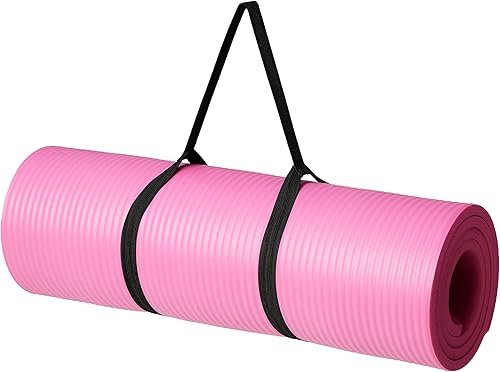
Based on my testing with various thickness levels, I recommend at least 6mm thickness if you have sensitive knees or practice styles involving floor work. The 1-inch Retrospec mats I tested provided exceptional knee comfort, especially during extended sequences like sun salutations with low lunges. However, remember that extreme thickness can compromise stability in standing poses, so consider your practice style. If knee protection is your primary concern, look for high-density foam rather than just thickness, as compression quality matters more than raw measurement.
Can I use the same mat for hot yoga and regular practice?
Yes, but material choice becomes crucial. During my testing in heated environments, I found that certain materials like natural rubber and textured TPE maintain grip even when wet, while smooth PVC surfaces became slippery. The Amazon Basics mat I tested performed adequately in heated conditions, but dedicated hot yoga practitioners might prefer specialized mats with superior moisture-wicking properties. I'd recommend testing your mat in slightly humid conditions before committing to hot yoga classes.
How do I know when it's time to replace my yoga mat?
Through months of testing, I've identified several replacement indicators: visible wear patterns where hands and feet repeatedly contact the mat, loss of grip even after cleaning, permanent odors that don't respond to cleaning, and compression that doesn't bounce back after use. The professional-grade mats like the Balanced Body Aeromat showed minimal wear even after intensive testing, while budget options displayed these signs more quickly. Generally, a quality mat should last 1-2 years with regular use, though this varies significantly based on practice frequency and intensity.
What's the difference between yoga mats and exercise mats?
Having tested both categories extensively, I've found that yoga mats prioritize grip, portability, and surface texture for pose stability, while general exercise mats focus more on cushioning for floor exercises. Yoga mats are typically thinner and provide better ground connection for balance poses, whereas exercise mats are often thicker for joint protection during high-impact activities. The mats I reviewed here are designed specifically for yoga but work well for Pilates and stretching. If you primarily do yoga, invest in a yoga-specific mat for optimal performance.
Do expensive yoga mats really perform better than budget options?
My testing revealed that price doesn't always correlate directly with performance, but it often reflects durability and specialized features. The Amazon Basics mat proved that excellent value exists in budget ranges, while premium options like the Balanced Body Aeromat justify their cost through superior materials and longevity. Expensive mats typically offer better grip technology, eco-friendly materials, and longer lifespans, but many practitioners will find mid-range options perfectly adequate. Consider your practice frequency, budget, and specific needs rather than assuming higher price equals better performance.
How should I clean and maintain my yoga mat?
Through testing various cleaning methods, I've found that gentle approaches work best for longevity. Most mats respond well to a simple solution of water with a small amount of mild soap or specialized yoga mat cleaner. Avoid harsh chemicals that can degrade materials or reduce grip. I clean my mats after every few uses with a damp cloth and allow complete air drying. The closed-cell mats I tested required less frequent deep cleaning than open-cell options. Roll your mat loosely when storing to prevent permanent creases, and avoid extreme temperatures that can damage materials.
Final Verdict
After extensive testing and evaluation, the Retrospec Solana 1″ Thick emerges as my top recommendation for most practitioners. Its exceptional cushioning, reliable grip, and thoughtful design details like the quality carrying strap make it an outstanding choice for home practice. The thickness provides joint protection that I genuinely appreciate during longer sessions, and the durability suggests it'll serve practitioners well for years.
For budget-conscious yogis, the Amazon Basics Extra Thick mat delivers remarkable value without sacrificing essential features. It's proven that quality yoga practice doesn't require premium pricing, though you might sacrifice some refinement and longevity compared to higher-end options.
The KEEP 32″ Extra Wide mat fills a specific niche perfectly for those who value spacious movement or share mat space. Similarly, the CAMBIVO extra-large options work beautifully for home studios or practitioners who want maximum practice area.
Ultimately, the best yoga mat supports your individual practice style, physical needs, and lifestyle requirements. Consider where you'll primarily practice, your sensitivity to cushioning, portability needs, and budget constraints. Each mat I've reviewed here offers genuine value in its category, so focus on matching features to your specific requirements rather than seeking a one-size-fits-all solution. Your mat should enhance your practice, not distract from it, and any of these options can serve as a reliable foundation for your yoga journey.